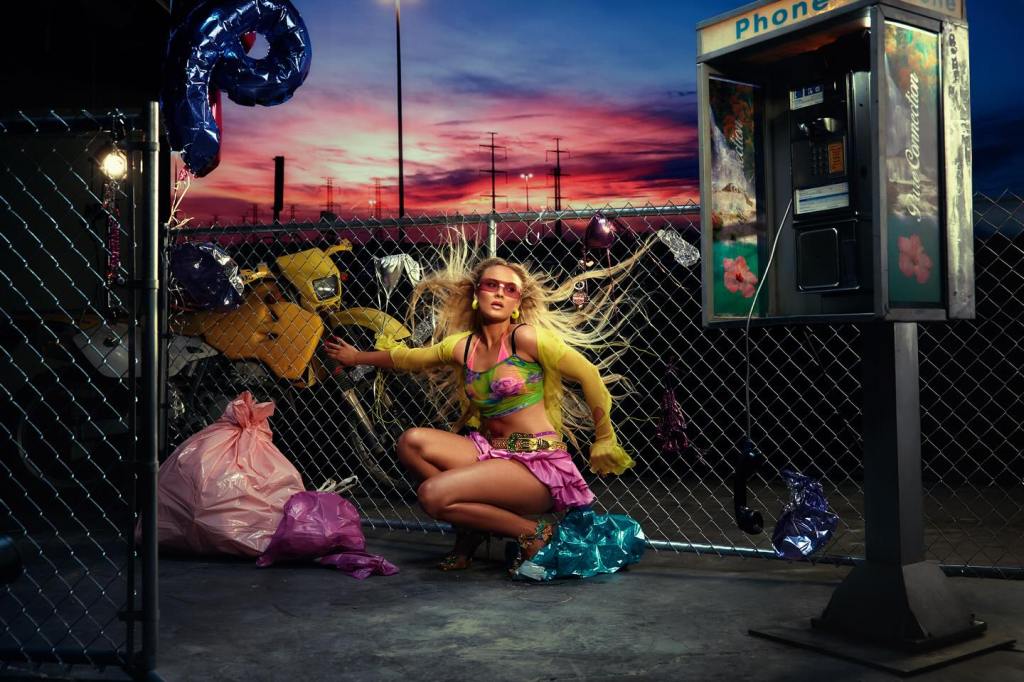
Zara Larsson has been in the pop conversation for years, but Midnight Sun feels like the first time the conversation is fully keeping up with her.
There are artists who spend their careers trying to find a sound, a lane, or a moment that feels like the right fit. Zara has always seemed to know exactly who she is: the trick has just been waiting for the rest of the world to catch on at the same pace. With Midnight Sun, that finally feels like it’s happening.
What makes this era feel so significant is that it doesn’t read like a reinvention, it reads like an arrival. Zara has never needed to become someone else to make her music feel bigger; she just needed the right record at the right time to bring all of her strengths into focus. Midnight Sun does that beautifully.
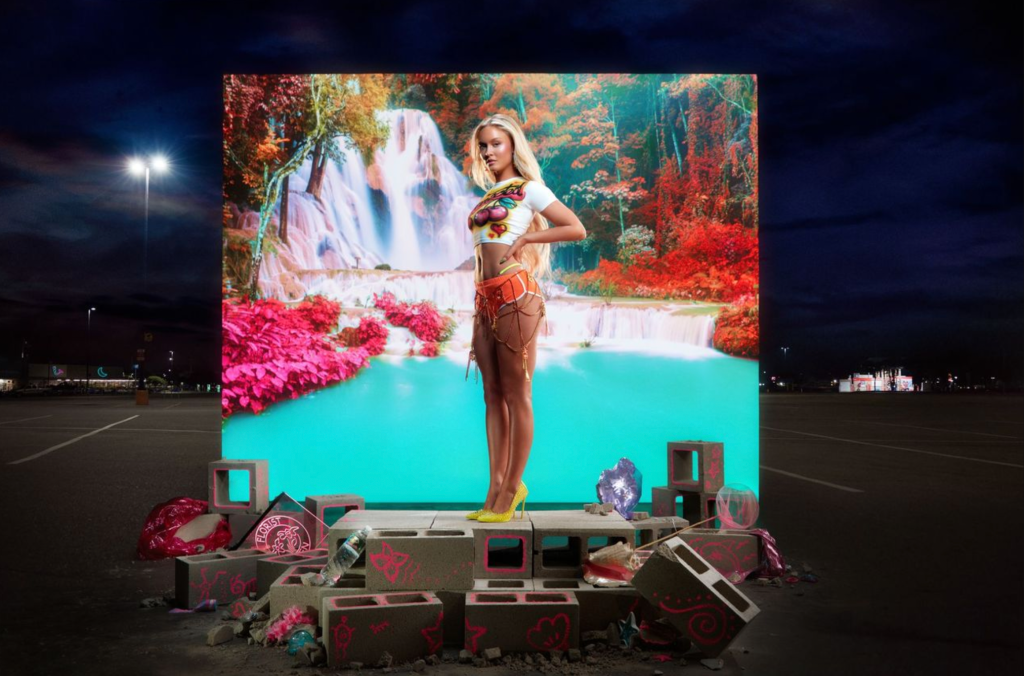
It’s bright without being shallow, polished without losing personality, and confident in the way only a record made by someone who knows her own taste can be. That’s part of why it has landed the way it has. It feels expansive, but it also feels deeply hers.
The response has already changed the shape of her career in real time. The title track earned Zara her first-ever Grammy nomination, which is the kind of milestone that doesn’t just look good on paper, it changes the narrative around an artist. For years, she’s been one of those pop stars people seemed to admire in theory but didn’t always give the full level of attention they deserved.
That’s what makes this moment so satisfying. Midnight Sun isn’t just another album cycle for her; it’s the kind of project that forces people to look again and recognize that the artist they may have underestimated has actually been operating at a very high level all along.

That’s the thing with Zara, she’s not a late bloomer in the sense of suddenly becoming talented or interesting… she’s always both of those things. From the moment she first came out, she carried herself like someone who understood what pop could be when it was done with precision and personality.
She had the kind of voice that could cut through anything, the kind of charisma that made even casual listeners pay attention, and the kind of instinct for glossy, hook-heavy pop that made her feel like a star before the rest of the industry fully gave her that title. But the pop landscape has always been crowded, and sometimes the artists who do things well from the start are the ones who have to wait longest for the broader audience to finally line up with what fans already knew.
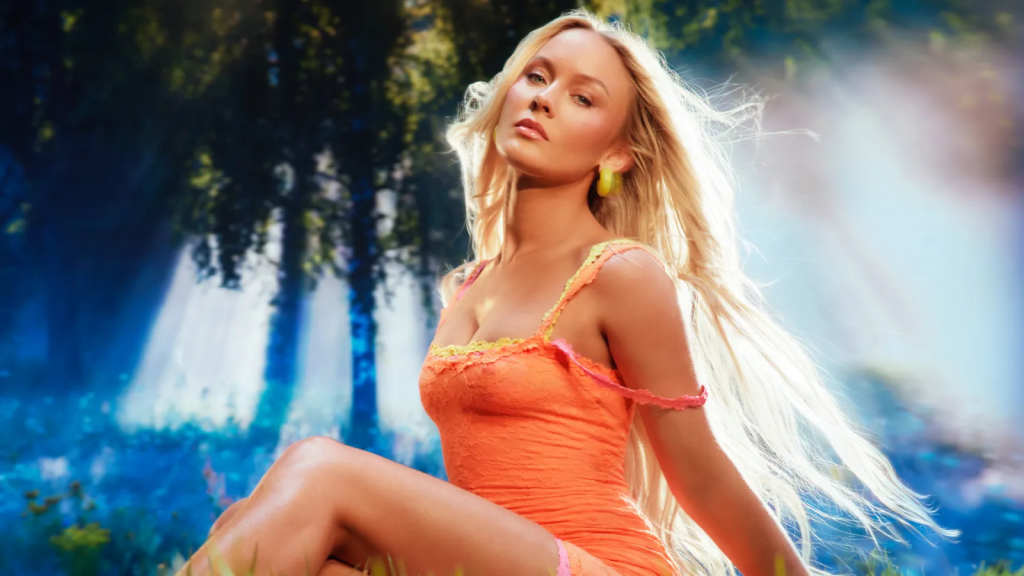
In a lot of ways, Midnight Sun feels like that waiting period paying off. It’s the sound of an artist reaching a point where the music, the moment, and the attention are finally aligned. In her Elle interview last month, Zara said, “The core of Midnight Sun is the core of me, it’s the joy.” That line says a lot about why this era feels different.
So much pop is built around reinvention, image shifts, or trying to outdo the last era. Zara, though, is coming from somewhere much more grounded. She’s not trying to escape herself, she’s leaning into the parts of herself that have always been there.
And when she says, “I never could have guessed what would’ve happened the past couple of months with ‘Midnight Sun,’ with ‘Stateside,’ with ‘Lush Life’ [which was originally released in 2015] having a resurgence. There’s just been so many stars that have aligned for me right now,” it gives the whole moment a sense of gratitude and momentum that feels really genuine.
That resurfacing of “Lush Life” matters too. It’s one of those pop songs that always felt bigger than the era it came from, and its renewed life only reinforces the idea that Zara’s catalog has more staying power than people sometimes realize.
The songs don’t just disappear when the cycle ends. They stick. They come back. They find new audiences. That’s usually the mark of a pop artist with real longevity, even if the larger public takes a little longer to name it. Zara has that kind of catalog, one that doesn’t just chase the moment, but quietly outlasts it.
And maybe that’s what has been so gratifying about watching this era unfold. Zara isn’t being framed as a newcomer or a breakout in the traditional sense, she’s being recognized as someone who has already done the work, built the sound, and earned the moment.
The difference now is that the spotlight is finally broad enough to hold all of it. You can hear that in the way people are responding to the album, in the way the title track got that Grammy nod, and in the way her older work is suddenly getting fresh attention again. It all feels connected. It all feels overdue in the best possible way.

There’s also something refreshing about the fact that Midnight Sun doesn’t try to over-explain itself, it doesn’t need to. It’s the kind of record that sounds like a fully formed pop world: one with warmth, confidence, and a sense of motion, and that’s often what separates a strong album from a truly meaningful era. Zara has always had the ability to make songs that feel uplifting without sounding empty, and that balance is a big part of why this project has landed so well. It feels celebratory, but it also feels earned.
That’s why this moment deserves to be treated as more than just a nice run of success. It’s not simply that Zara is “getting her flowers.” It’s that she’s reaching a phase where the music, the response, and the public perception are all finally reinforcing each other in a way that has the potential to shift her entire trajectory. This is the kind of era that can change how people talk about an artist for years, because it gives them no excuse to overlook what has always been there.
And if there’s a little extra anticipation in the air, it’s because fans are already buzzing about the deluxe edition of Midnight Sun, now officially confirmed as Midnight Sun (Girls Trip), which drops on May 1st. Fans can pre-order CD and vinyl variants right now on Zara’s store.
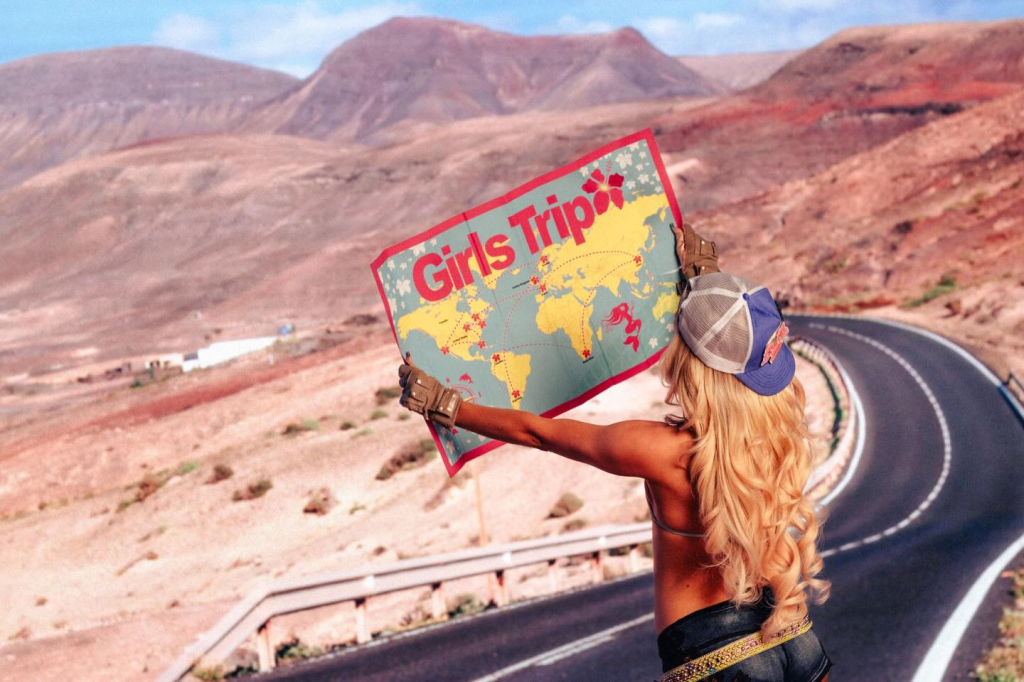
The project reworks all 10 tracks from the original album with an incredible lineup of collaborators including PinkPantheress, Kehlani, JT, Margo XS, Emilia, Madison Beer, BAMBII, Shakira, Tyla, Malibu, Eli, Robyn, and Helena Gao. It’s a full-on pop statement that transforms the record into something even bigger and more communal, turning what was already a standout album into a shared moment that feels like the perfect expansion of the era.
Midnight Sun was originally released on September 26th of last year, and now this deluxe version gives it new life with some of the most exciting names in pop right now. It’s the kind of move that makes an era feel expansive rather than finite, and it only reinforces why this project has resonated so strongly.
In the end, Zara Larsson’s Midnight Sun era feels important because it’s not built on hype alone… it’s built on clarity. It’s the sound of an artist who has been ready for this level for a long time, finally getting the response that matches the work. And with the deluxe edition arriving next month, it’s clear this isn’t just a moment, it’s a chapter that’s still unfolding.

